
- ANAKOT
Azure Data Lake

In a world of ever-increasing data, it's crucial for companies to effectively manage the lifecycle of their data. Proper data management reduces costs, improves performance and ensures regulatory compliance. Azure Data Lake offers a robust solution to these challenges. This article explores how Azure Data Lake can help optimize the data lifecycle, offering strategies and best practices for effective data management throughout its existence.
- Understanding the Data Life Cycle
The data lifecycle comprises several stages: creation, storage, use, archiving and deletion. Each stage presents unique challenges and requires specific approaches for optimal management. Data creation includes its collection and entry into corporate systems. Storage must be secure and efficient to allow quick and easy access. Using data involves analyzing and exploiting it to generate valuable insights. Archiving concerns the long-term storage of data that is not frequently used, but must be kept for legal or regulatory reasons. Finally, data deletion must be carried out securely to ensure that it cannot be recovered.
- Using Azure Data Lake
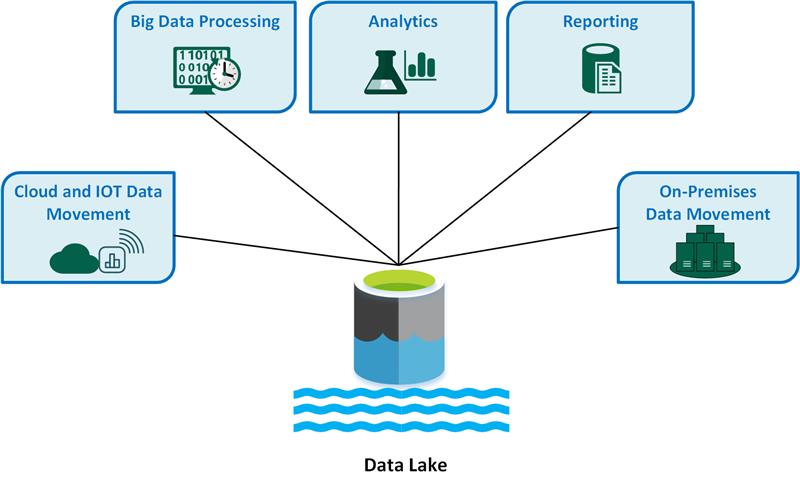
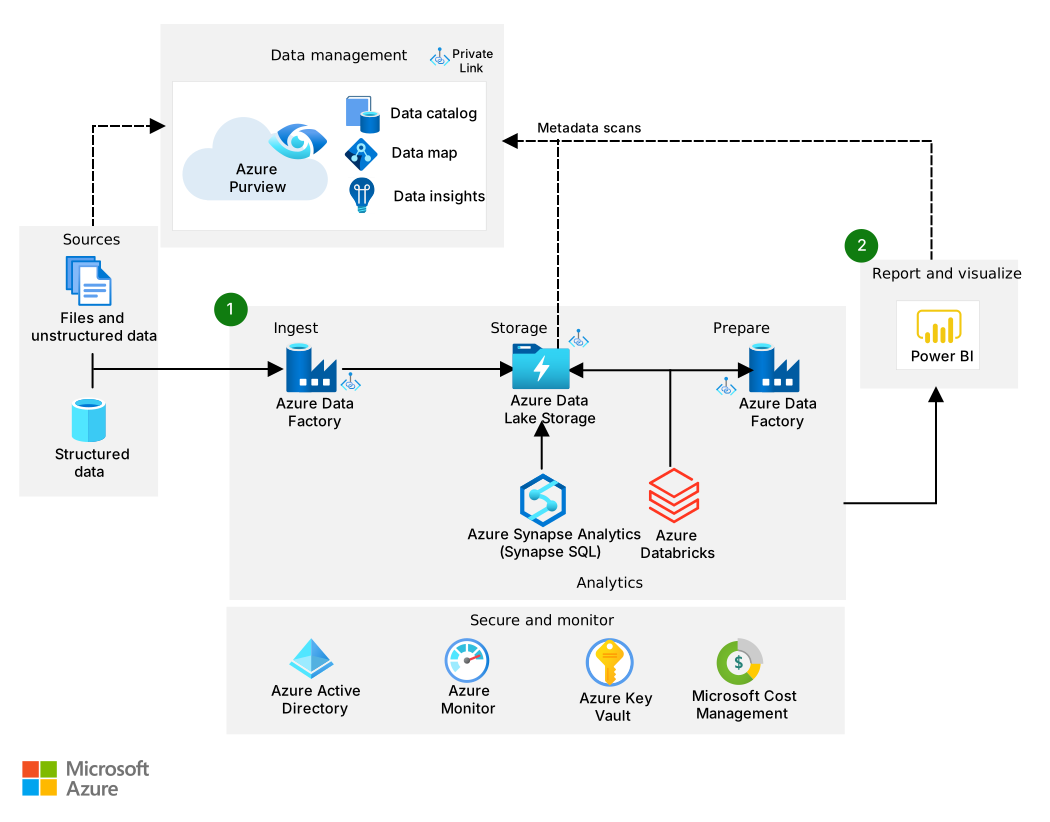
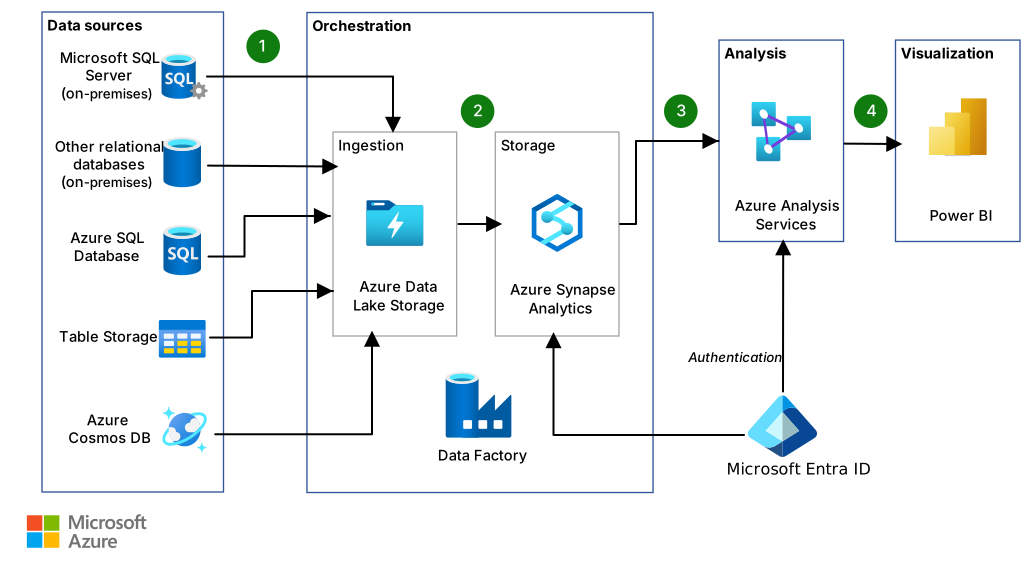
Azure Data Lake is a large-scale data storage and analysis solution. It centralizes all enterprise data, whether structured, semi-structured or unstructured. Azure Data Lake offers advanced features such as unlimited storage, built-in security and the ability to run real-time analyses.
Key features :
- Unlimited storage Azure Data Lake enables you to store an unlimited volume of data, which is essential for businesses that generate large quantities of data.
- Integrated Safety Data stored in Azure Data Lake is protected by advanced security measures, including encryption in transit and at rest.
- Performance Analysis Integrated analysis tools enable complex queries to be run in real time, making it easier to extract valuable insights from data.
Advantages :
- Data centralization By centralizing all data in one place, Azure Data Lake facilitates data access and analysis.
- Cost reduction By optimizing data archiving and deletion, companies can reduce storage costs.
- Regulatory Compliance : Azure Data Lake helps companies comply with data management regulations such as GDPR and CCPA.
- Best Practices for Data Management
To optimize data management with Azure Data Lake, it's important to follow certain best practices.
Automated archiving : Automated archiving enables obsolete data to be moved to less expensive storage solutions. Azure Data Lake lets you configure archiving policies that automatically identify and move data based on its age or frequency of use. This frees up storage space and reduces the costs associated with storing seldom-used data.
Secure deletion : Secure data deletion is essential to ensure that data cannot be recovered once it has been deleted. Azure Data Lake offers features for the permanent deletion of data, ensuring that it is irrecoverable. It is advisable to implement strict procedures for data deletion, ensuring that all copies of data are also deleted.
Cost reduction and compliance : Efficient data management reduces storage costs and ensures regulatory compliance. Azure Data Lake offers tools for monitoring data usage and optimizing storage costs. By implementing data management policies and using monitoring tools, companies can ensure that they store only the data they need, and comply with regulatory requirements.
- Case studies and practical examples
Case Study 1: Large Retail Company
A major retail company uses Azure Data Lake to centralize and analyze its sales, marketing and logistics data. Using Azure Data Lake features, the company was able to reduce its storage costs by 30 % by automating the archiving of obsolete data and optimizing the use of storage resources. In addition, real-time analysis of sales data has enabled the company to better understand customer behavior and adjust its marketing strategies accordingly.
Case Study 2: Health Care Organization
A healthcare organization uses Azure Data Lake to manage electronic medical records (EMRs) and clinical research data. By centralizing all data in Azure Data Lake, the organization has been able to improve access to critical information for healthcare professionals and researchers. Automated archiving policies have also ensured that legacy data is stored securely and in compliance with current regulations.
By adopting Azure Data Lake, businesses can effectively manage the lifecycle of their data, reducing costs and improving performance and compliance. To find out more about data management solutions with Azure Data Lake and how they can benefit your business, contact our experts. Find out how our expertise can help you optimize your data management and make the most of your technology investments.
- Our expertise: A few achievements
& Consulting
Multi-Cloud
Guarantee personalized contact
From consulting to integration, via our service center offerings, we guarantee you'll get in touch with us in a way that's tailored to your needs.
see you there!
Discover our services and let us customize a solution specifically adapted to your company's needs.